

Continuing the Well-being Conversations at IMPACT WEEK 2026
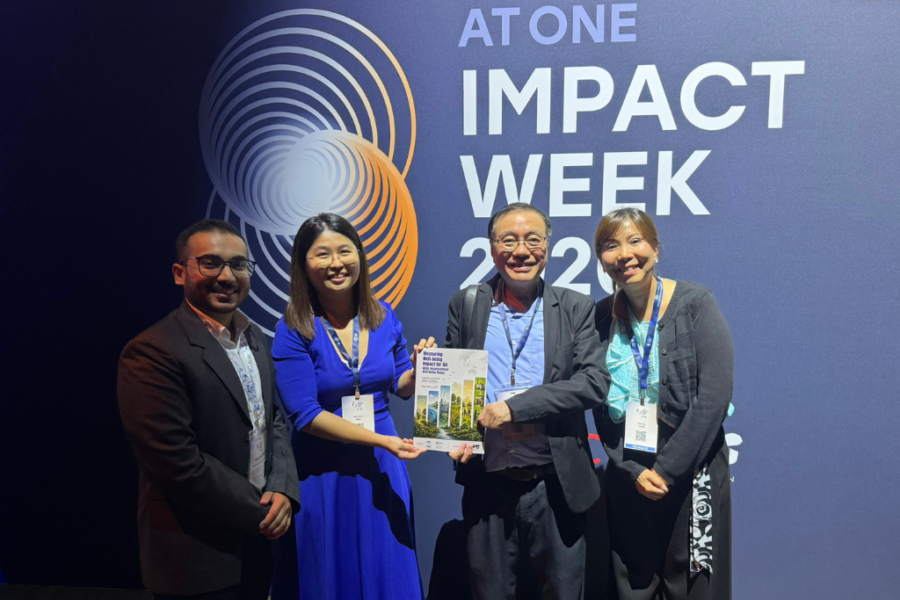
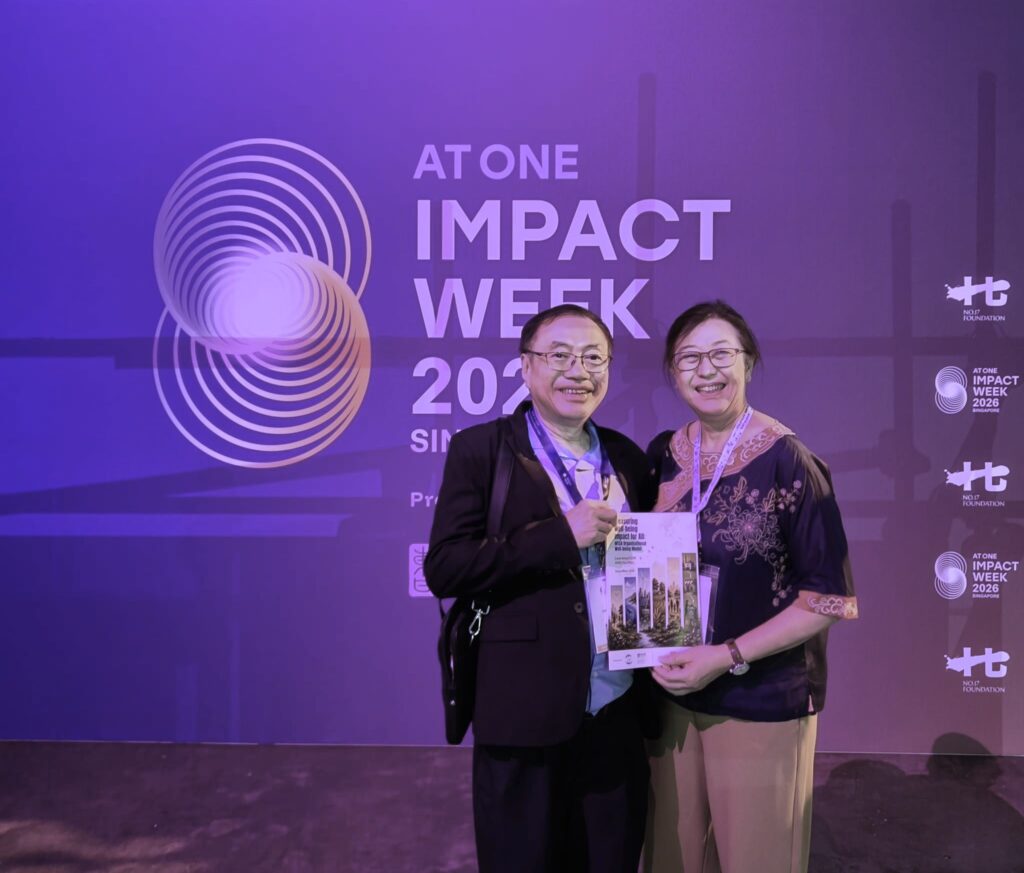
The CGS project team behind the new research report comprised project lead Prof Lawrence Loh (3rd from left), project manager Ms Ang Hui Min (2nd from left), Ms Verity Thoi (far right) and Mr Akshay Prasad (1st from left).
Introducing the WEGA Organisational Well-being Model
We are guided by what we measure, but are we measuring the right thing?
The Well-being and EESG Alliance (WEGA) and the Centre for Governance and Sustainability (CGS) at the National University of Singapore have developed a measurement model that helps organisations direct attention to areas where they can improve their well-being efforts.
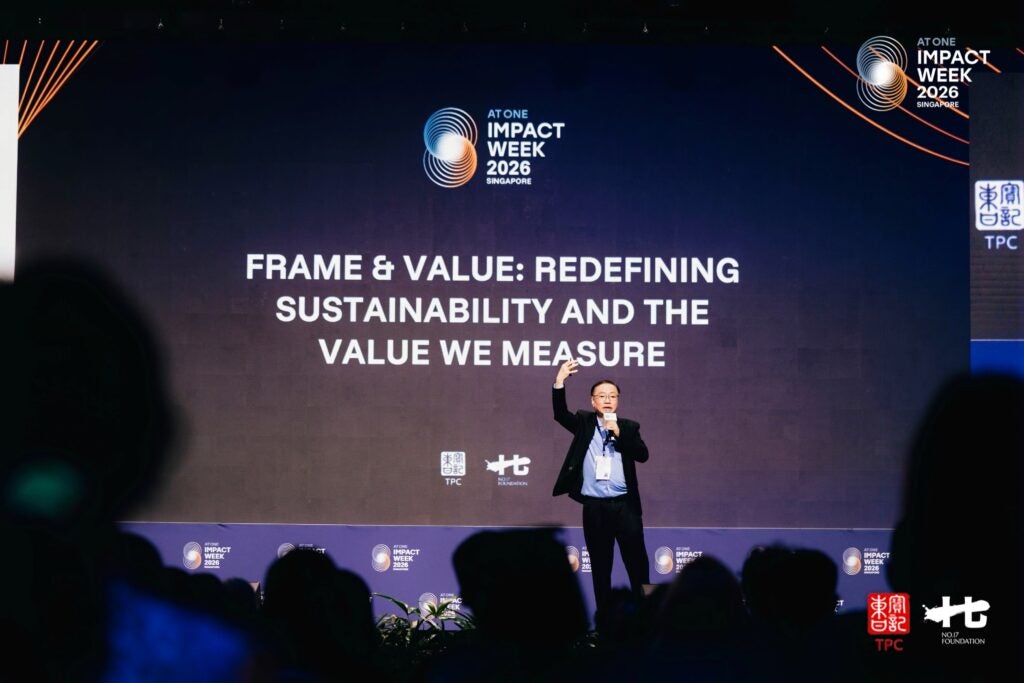
This WEGA Organisational Well-being Model was presented by WEGA’s Executive Director and CGS Director, Prof Lawrence Loh, during IMPACT WEEK 2026. Taking the stage on 9 September 2026, Prof Loh explained why organisations need a broader understanding of well-being. Besides indicators in the economics, environmental, social and governance spectrum, organisations should also examine indicators related to health and life satisfaction. Importantly, organisations should develop the consciousness of caring for all, and recognise that sustainability and well-being can drive value.
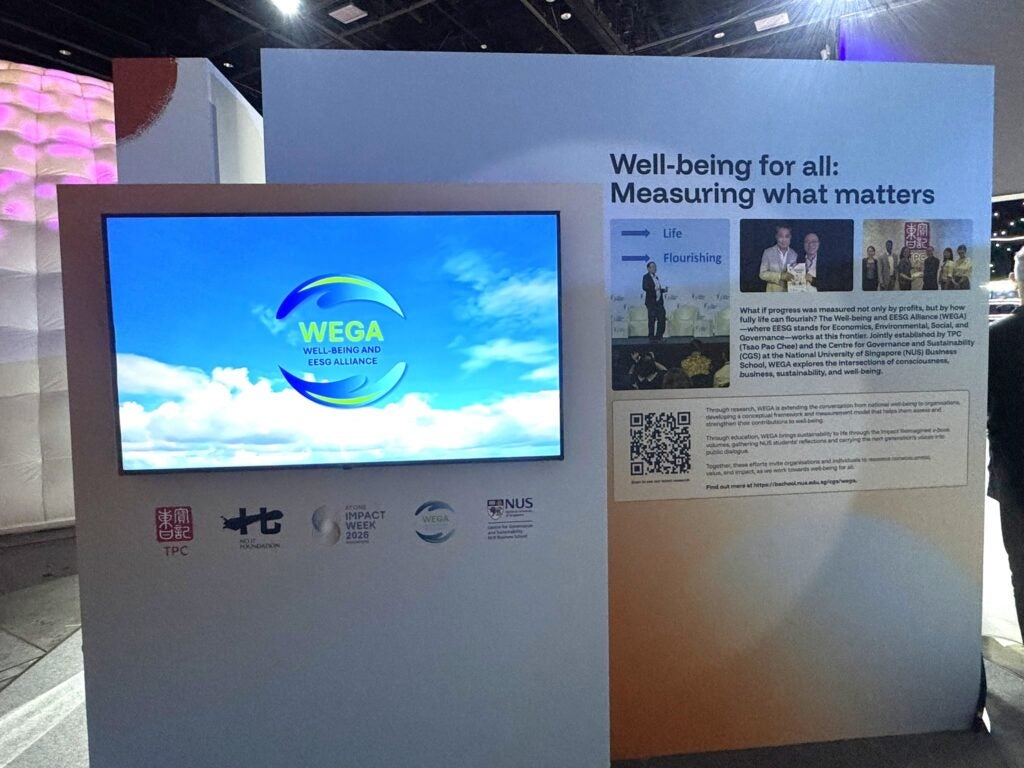
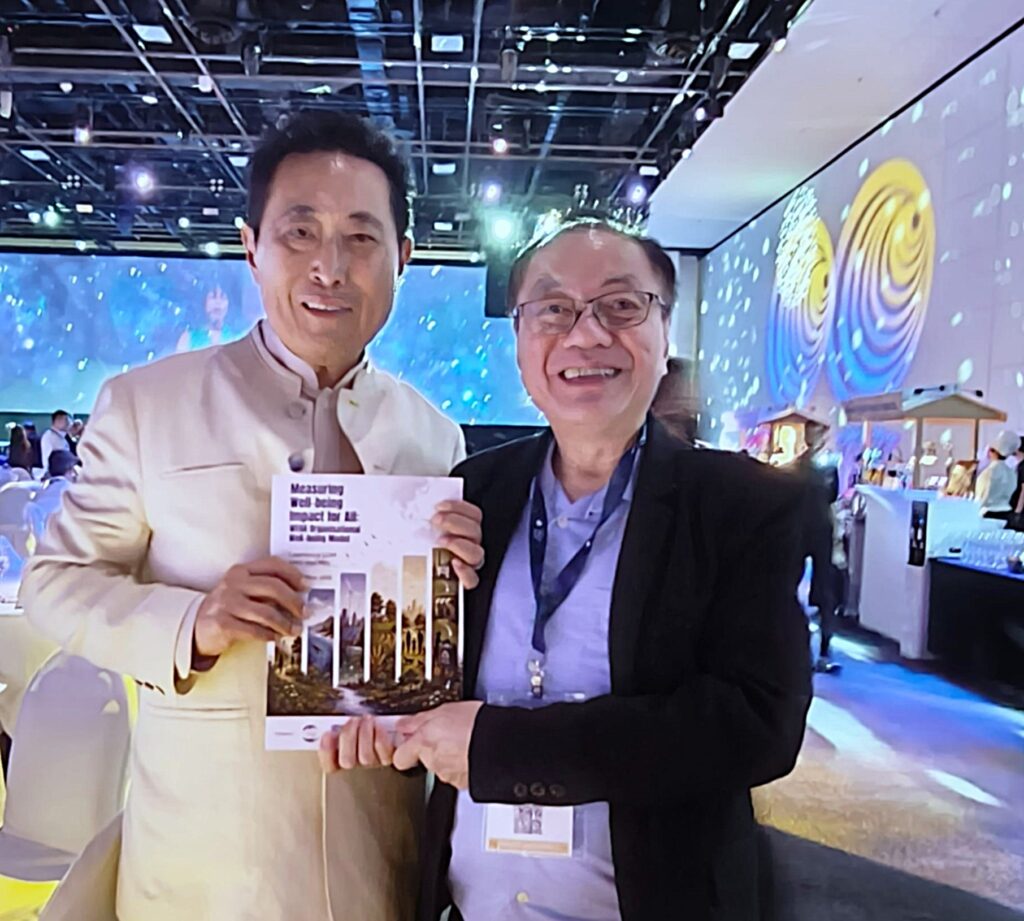
The model’s development and organisational implications were published in the report “Measuring Well-being Impact for All: WEGA Organisational Well-being Model”. Co-authored by Prof Loh and CGS communications lead Ms Ang Hui Min, the study received the kind sponsorship of TPC (Tsao Pao Chee) and NO.17 Foundation, which are also the organisers of IMPACT WEEK.
Frame & Value: Sustainability and Well-being
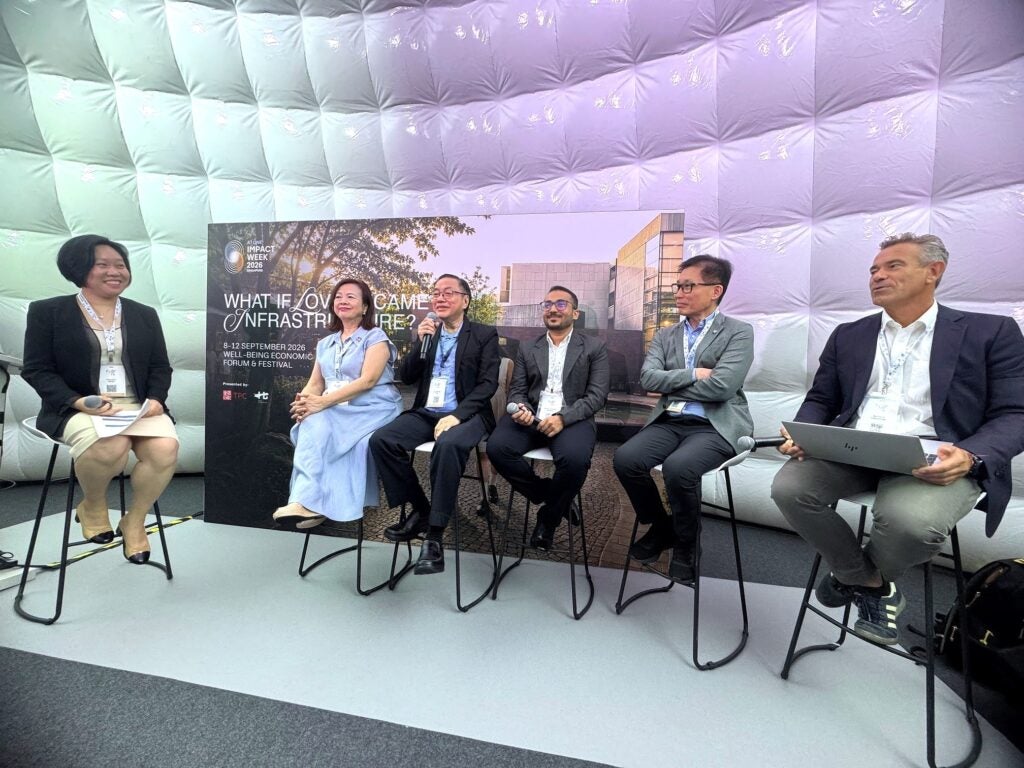
WEGA also participated in numerous conversations on well-being at IMPACT WEEK. In a dialogue moderated by Ms Wang Xiaoshu, CFA, Sustainable & Climate Investing Expert, Prof Loh joined fellow panellists in discussing the nexus of sustainability, well-being, capital and measurement. The other panellists are: Ms Esther An, Chief Sustainability Officer, City Developments Limited; Mr Ignatius Lim, Head, International/Government Relations, Asia Pacific, Shell; Mr Bernard Couvreur, Advisory Services and Independent Director; and Mr Akshay S Prasad, a Master’s student at NUS Business School, who also had experience in sustainability consulting. The panel opined viewing well-being as part of the company strategy and not just a staff benefit; making indicators simple for investors to understand; enhancing non-profits’ reporting capabilities; and making well-being practices bankable and investable.
The Curriculum Already Forming: What Business Education Must Cultivate, and Where It Is Already Happening
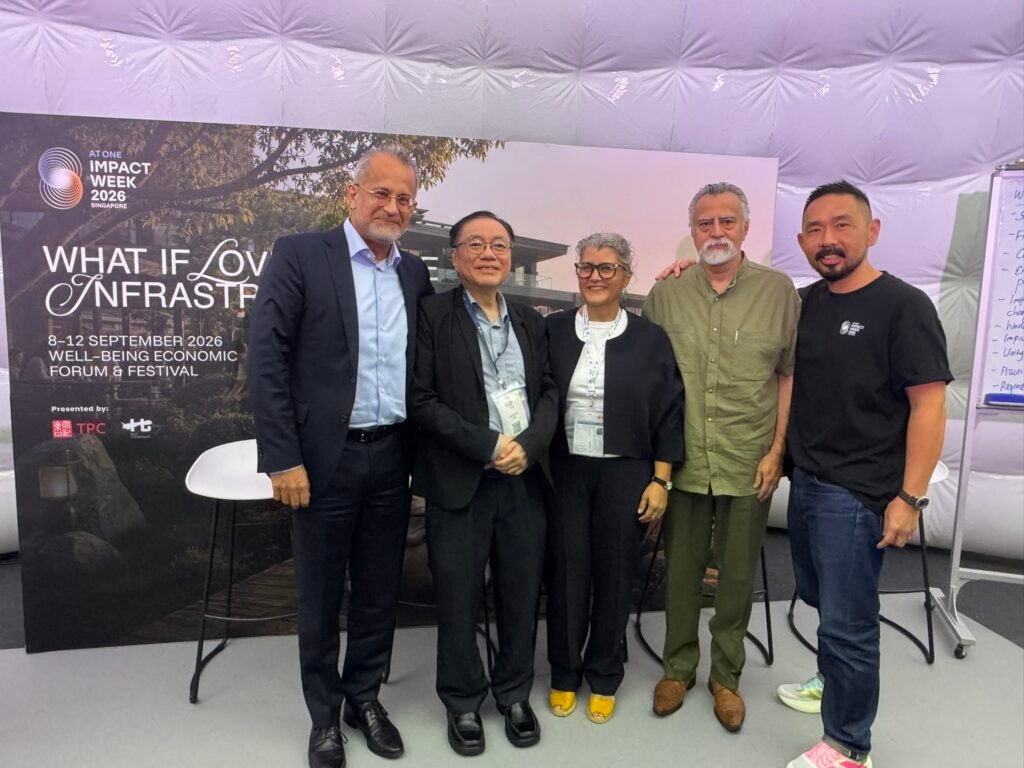
In the IMPACT WEEK dialogue on the skills that business education should cultivate in a well-being era, Prof Loh, commented that we often teach ROI (Return on Investment) and ROC (Return on Capital). But values could actually feature more prominently than value, such that ROI becomes “Return on Integrity” and ROC becomes “Return on Character”.
The dialogue was moderated by Mr Gavin Lum, Global Head of Branding and Communications, TPC (Tsao Pao Chee). The other panellists were: Prof Syed Farid Alatas, Professor Emeritus, Department of Sociology & Anthropology, National University of Singapore; Assoc Prof Chahrazad Abdallah, UQAM | Université du Québec à Montréal; and Dr Omid Aschari, Chairman and CEO, ASG Strategy Group AG.
They opined that the ideal business curriculum should be in touch with reality, collaborative and cultivate a sense of purpose.
Inspiring Thoughts on Well-being
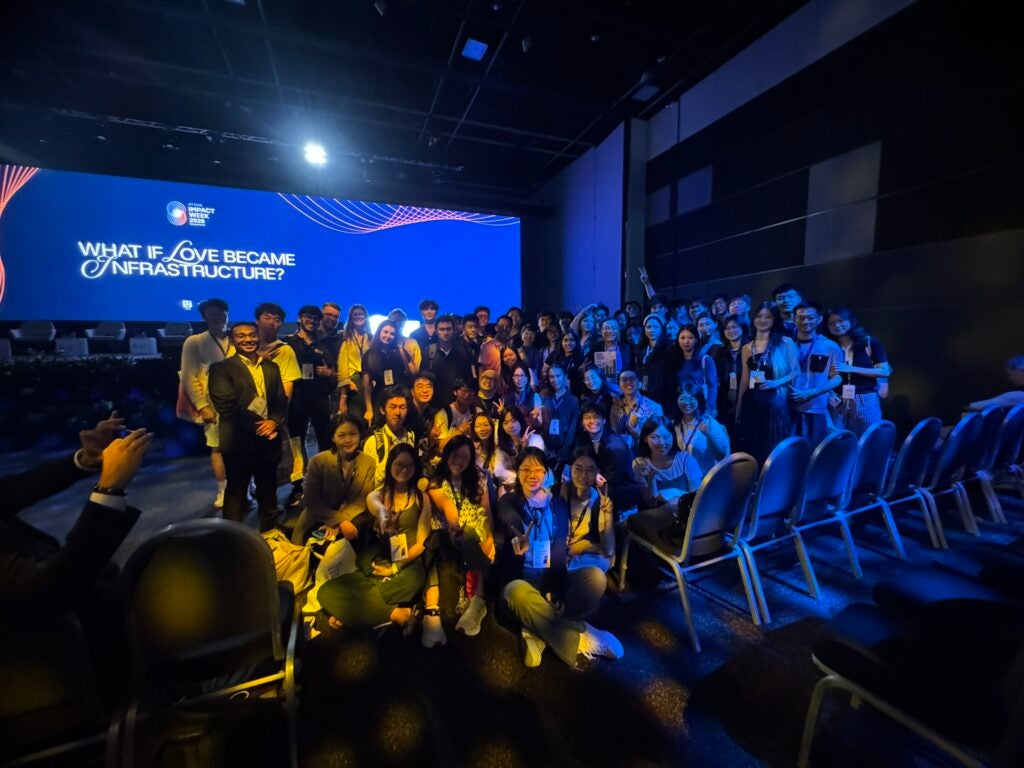
IMPACT WEEK 2026 was also an immersive learning experience for students. Invited by Prof Loh, NUS MSc in Strategic Analysis and Innovation (MSI) students attended the event and explored real-world sustainability and well-being practices.
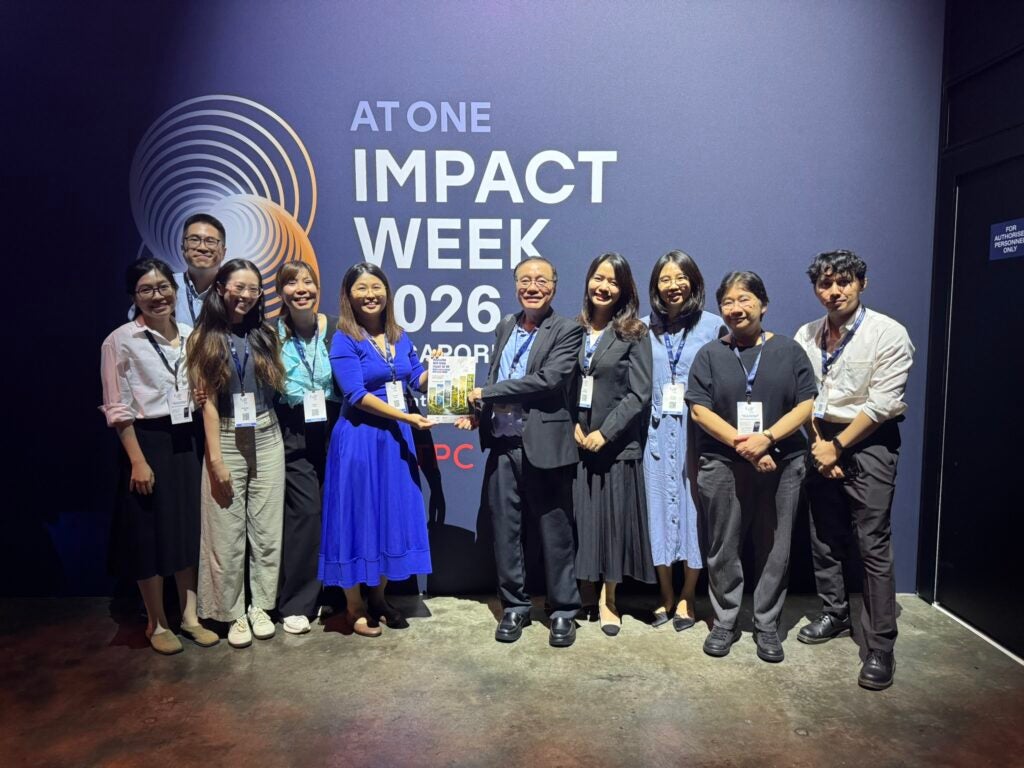
For the CGS and WEGA team, networking with counterparts in the sustainability, governance and well-being fields also inspired new ideas and potential collaboration opportunities.
Watch our IMPACT WEEK highlights video.