
NUS Sustainability CONNECT 2026 Masterclass: The Sustainability and AI Equation
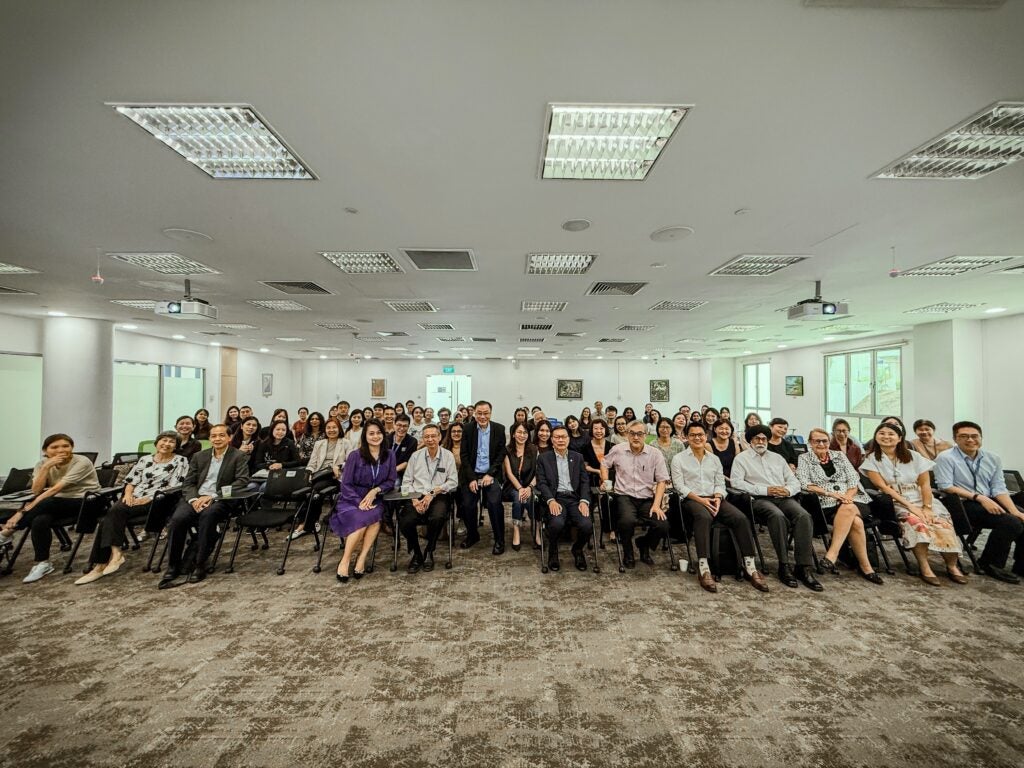
The 18 Sep masterclass “Sustainability in the AI Age: Opportunities and Challenges” was held in support of the NUS Sustainability CONNECT Festival 2026.
Artificial intelligence (AI) presents both opportunities and challenges for sustainability. While AI can strengthen sustainability efforts through improved analysis and innovation, its adoption can also carry environmental and social costs. These tensions are further shaped by global geopolitical developments and the ongoing energy crisis, which influence how organisations approach both sustainability and AI.
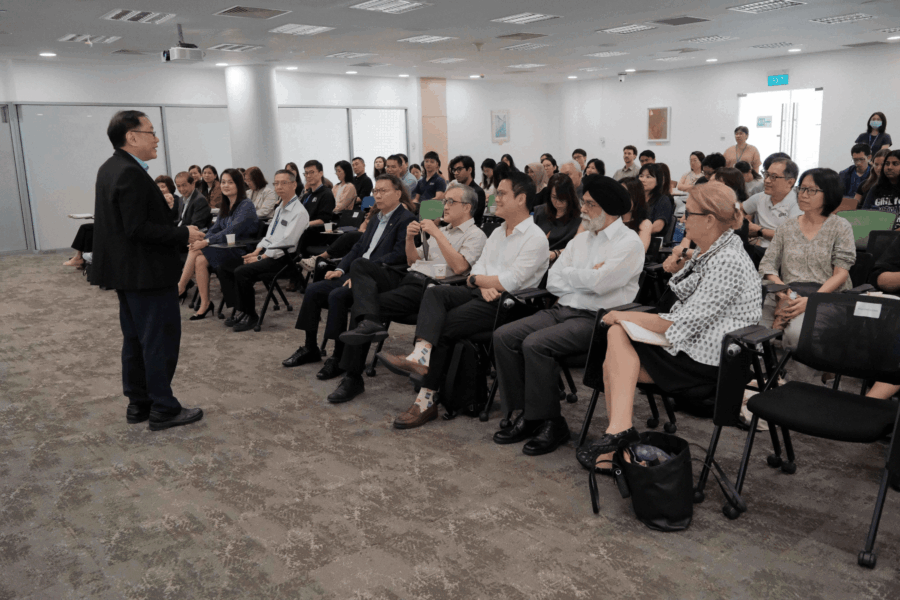
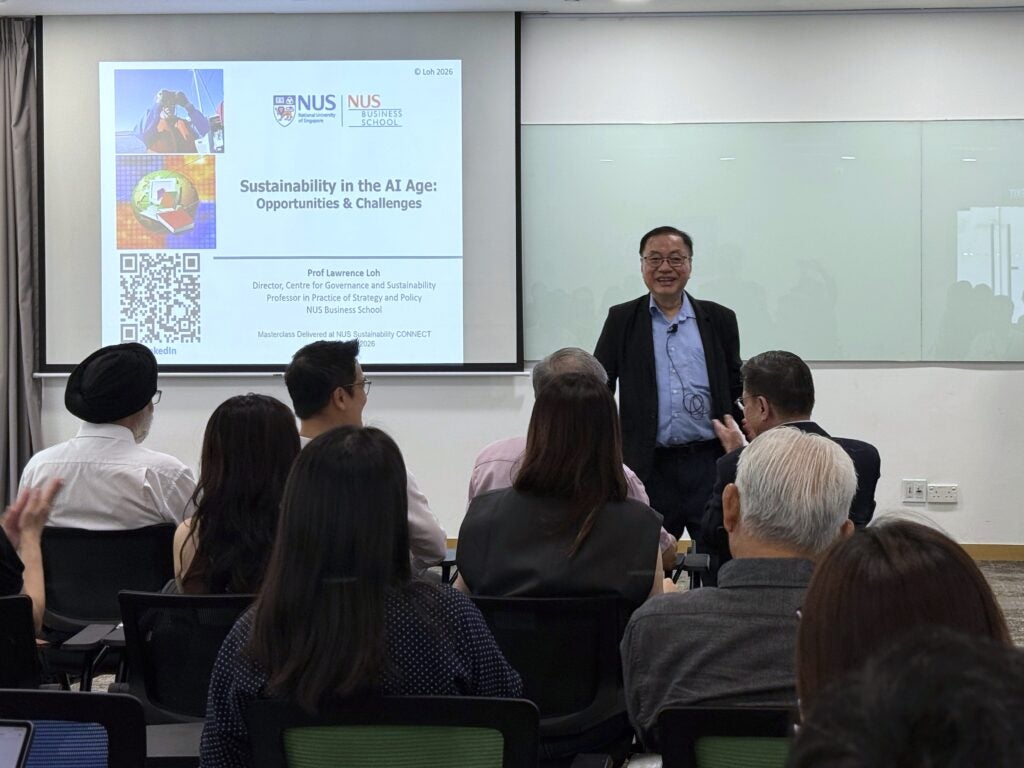
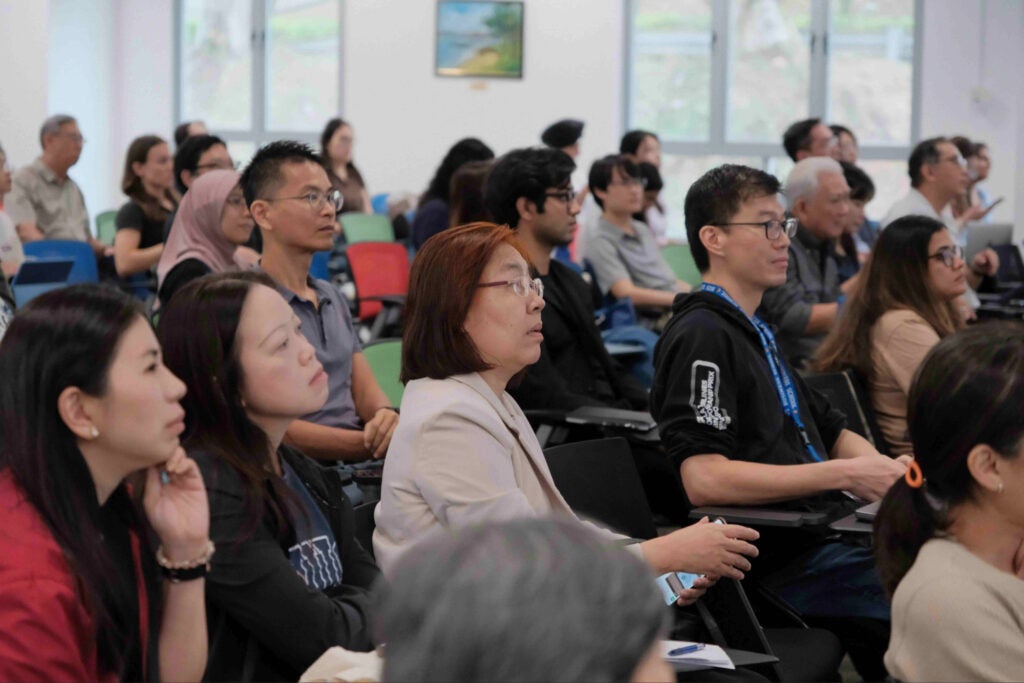
These issues formed the focus of a two-hour masterclass, “Sustainability in the AI Age: Opportunities and Challenges”, led by Professor Lawrence Loh, Director of the NUS Centre for Governance and Sustainability (CGS) at NUS Business School. Held for an audience of about 80 participants, the session examined the rapidly evolving relationship between sustainability, AI, geopolitics and the energy crisis.
Drawing on case studies and current affairs, Professor Loh highlighted the need to position sustainability not simply as a compliance requirement, but as a potential driver of value and returns. He noted that individuals and organisations are more likely to take meaningful action when sustainable choices are supported by financial incentives. In his view, the financial rationale is stronger than a science-based consequence rationale.
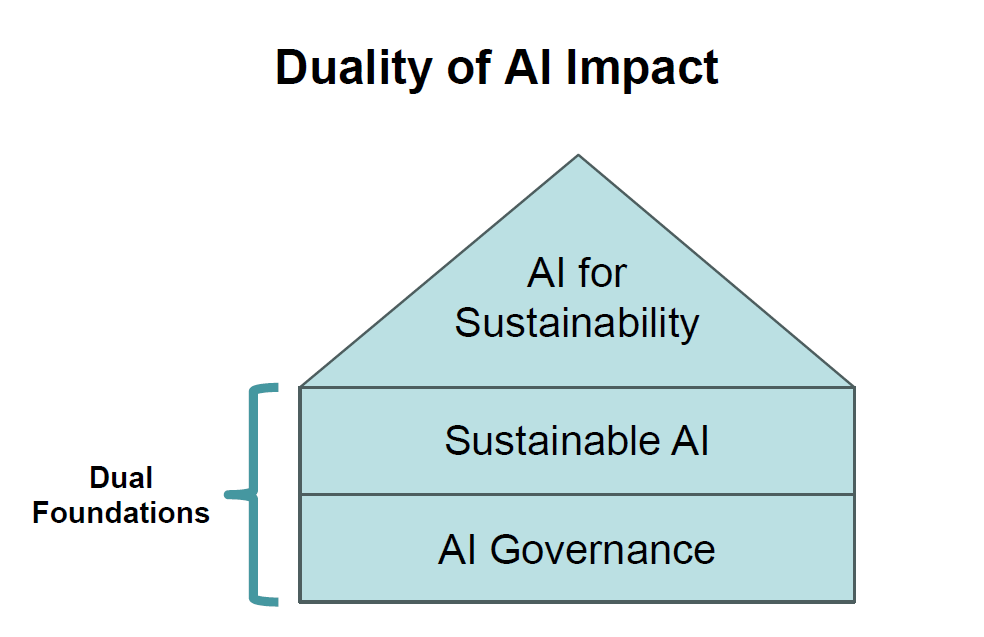
The sustainability and AI equation can be viewed in terms of “Sustainable AI” and “AI Governance”. These form dual foundations on which “AI for Sustainability” lies. “Sustainable AI” means exploring how AI systems can be more environmentally friendly. “AI Governance” refers to using AI systems responsibly, taking into account social and ethical aspects in its deployment. These two layers pave the way to form “AI for Sustainability”, where organisations use AI to be more sustainable. For example, organisations can use AI for traceability in their value chain management or use AI to minimise resource consumption.
Noting that there are concerns regarding AI usage (e.g. job displacement), Prof Loh encouraged participants to shift their perspective by asking “not what AI does to you, but what AI can do for you”. This approach places greater emphasis on how the technology can be directed towards practical and sustainable outcomes.
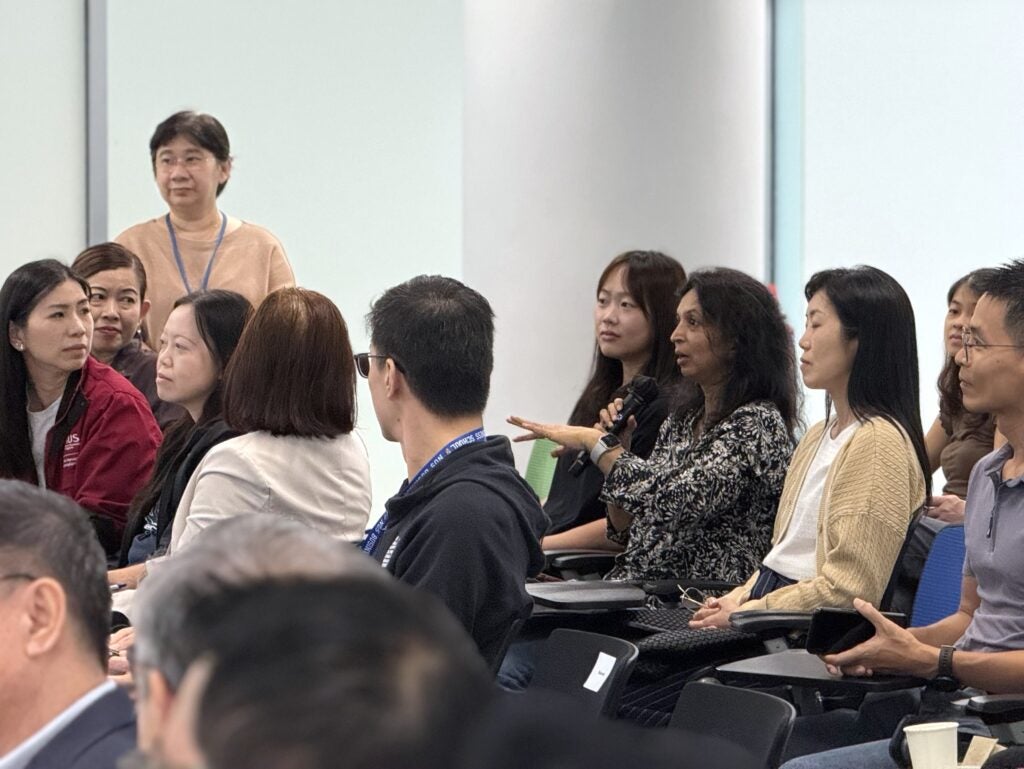
At the event, CGS was also honoured to have the presence of Prof Teo Chung Piaw, Dean of NUS Business School; CGS Advisory Board Members Prof Patrick Loh, Prof Kulwant Singh and Ms Juanita Woodward; and CGS Senior Fellows Dr Derrick Kon and Mr Alvin Lim. The masterclass was held in support of the NUS Sustainability CONNECT Festival 2026. The month-long festival showcased sustainability initiatives and insights from across the University’s colleges, bringing together members of the NUS community to exchange perspectives and explore opportunities for action.