

GenAI Sharing Session: Towards AI-Native CGS
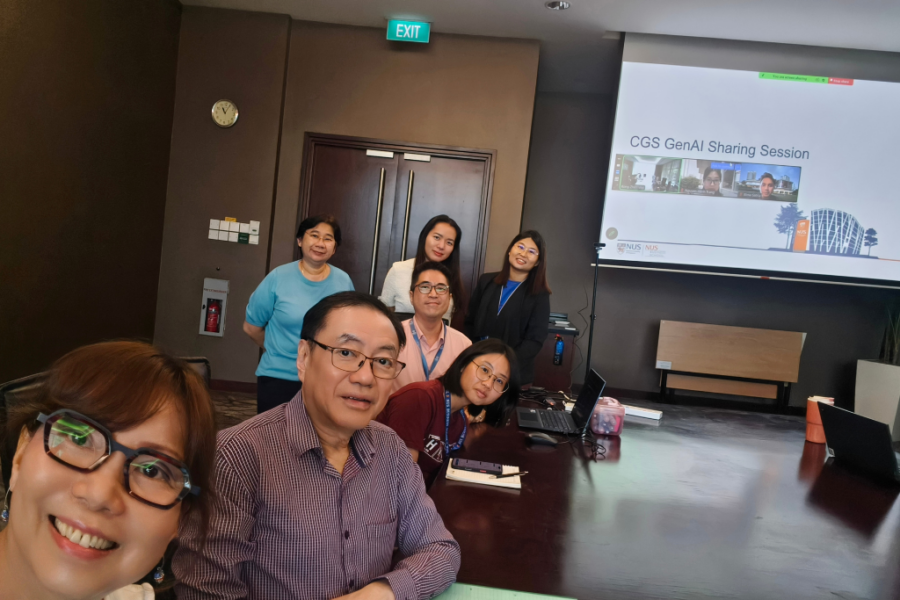
The CGS team organised its first GenAI sharing session to consolidate learnings.
At various points in time, the team at the Centre for Governance and Sustainability (CGS) at the National University of Singapore (NUS) Business School has individually experimented with generative artificial intelligence (GenAI). There were informal conversations among the team on what worked and what didn’t, but each sharing was short, and the process was neither structured nor documented. To facilitate department-wide knowledge exchange on GenAI, CGS organised an internal sharing session on 20 July 2026.
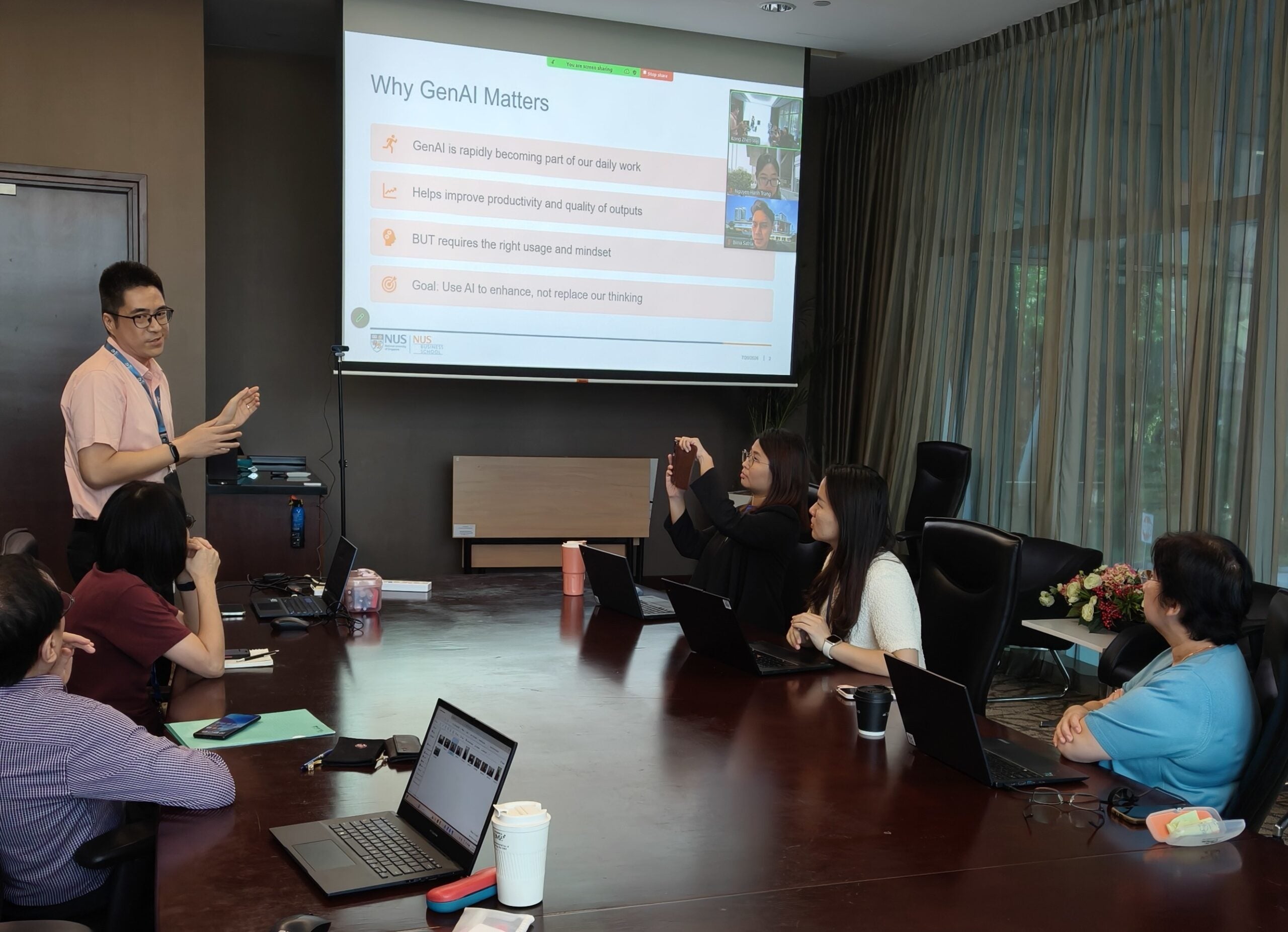
Here are our learning points:
On the Approach towards GenAI
GenAI has great potential to improve productivity, but whether that materialises depends on the right usage and mindset, said Mr Kong Zhen Wei, Executive at CGS, who has recently completed a five-workshop GenAI course organised by NUS Learning & Development Academy. “The aim is to use AI to enhance and not replace our thinking.”
Its merits lie in generating drafts and categorising data, but the AI tool is unable to read the human mind. Detailed prompts, such as those with sections for “context”, “purpose”, “audience”, “task”, “requirements”, etc, can better concretise human ideas.
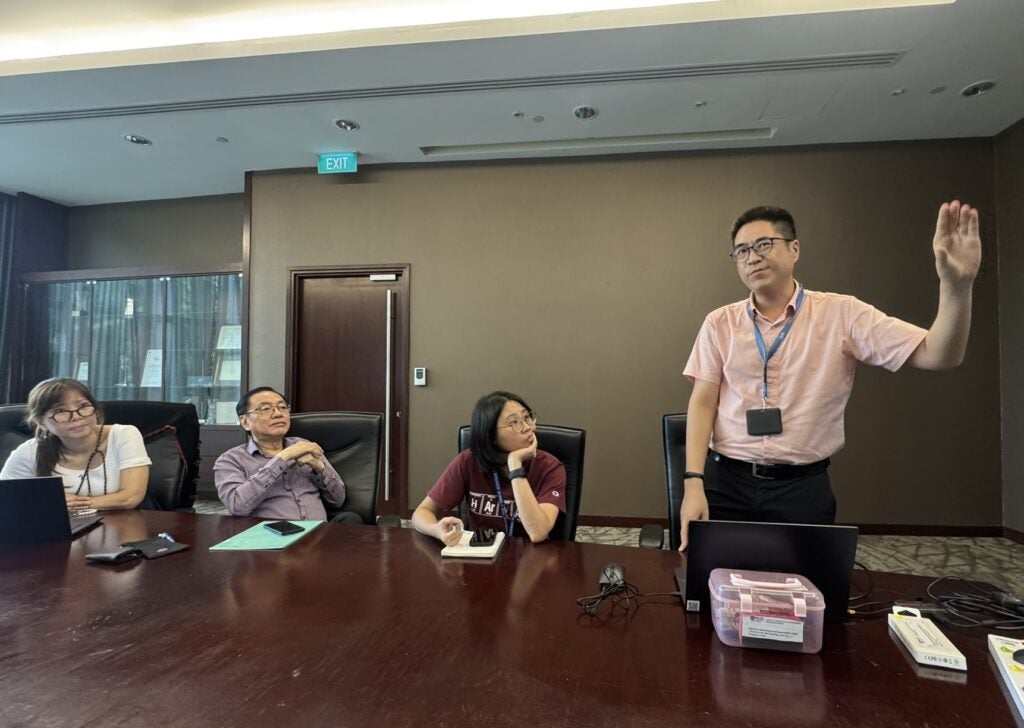
A better-quality answer is also more likely to appear when a complex task is broken down into smaller steps, shared Ms Ang Hui Min, Communications Lead, who attended the same course as Mr Kong. For example, instead of asking AI to turn a report into slides directly, users can ask AI to first read the report, paying attention to prioritised sections; formulate a narrative from key points; generate the slide outline and ultimately the slide contents. At each step, human review is needed. The same approach can also be applied in other processes that transform a type of content into another format.
On Literature Review
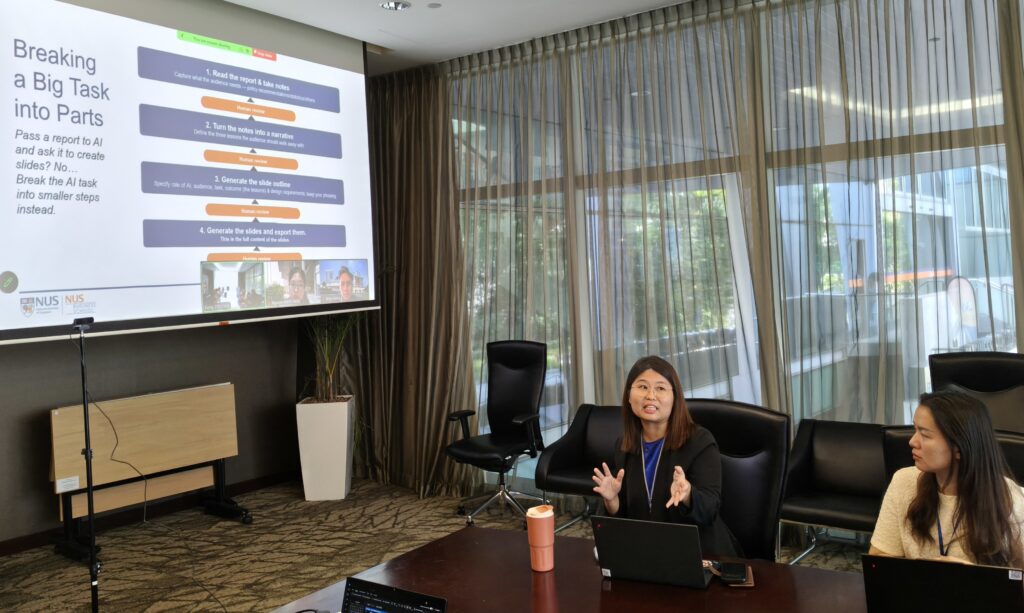
At first glance, GenAI might be good in checking the literature developments in a certain field. The pitfall is spending time sieving out the AI-hallucinated academic papers. The AI tool might also miss out on relevant literature that is behind paywalls, noted Ms Annette Singh, Research Lead.
On Exploring Data
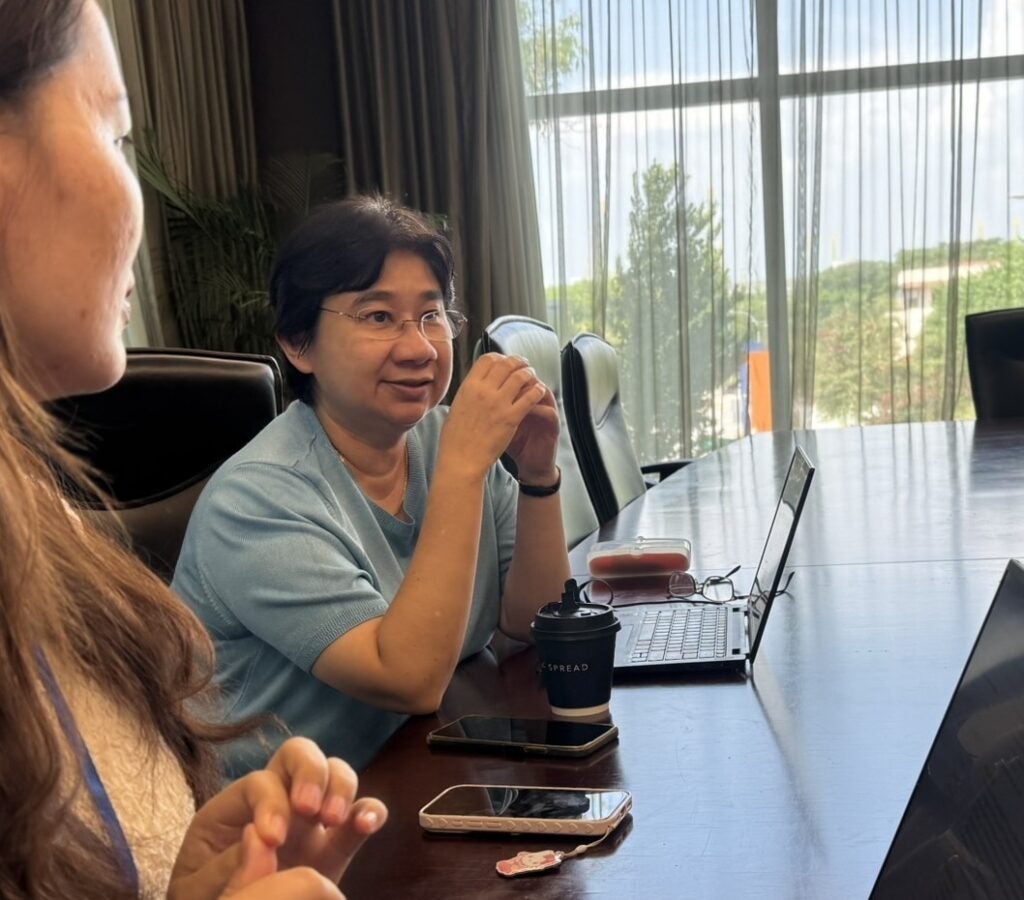
Senior Research Associate Ms Huang Minjun commented on how AI scripts can be tailored to collect information and produce preliminary data analysis. It can also help to polish survey questions or point out blind spots. However, the human researcher has to first develop the data analysis framework (the approach to analysing the data). Interpreting the findings and positioning them in the real-world context would also fall in the domain of the human researcher.

Research Associate Mr Bima Satria pointed out how tools such as Google LLM can be useful in aggregating information and documents. Imagine a folder with many documents and a question for which documents hold a particular piece of information. The AI tool can save time in locating the exact document, though human verification is still needed. He added that detailed prompts for each question can increase the accuracy of the tool in delivering sensible answers.

As for Senior Research Analyst Ms Trang Nguyen, testing out Google LLM brought certain revelations. She found that the tool could understand documents “quite well”, according to how it answered her questions. However, when she zoomed in on highly specific questions, it led to the machine misinterpreting her questions. A second revelation is that machines provide more accurate answers when documents are well-structured, as compared to less well-structured documents of a similar nature.

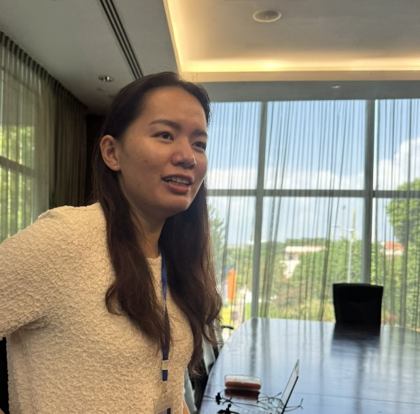
A similar point on accuracy was brought up earlier by Senior Research Associate Ms Aster Nguyen. Her experimentation with AI found that it could not provide accurate answers when the questions asked were highly specific and involved contextual knowledge. If AI were used, there might also be a trade-off in the researcher’s familiarity with the data involved. In her view, the usage of AI might be good for certain tasks but not necessary for other tasks.
On Writing in General
GenAI can be used for crafting emails, suggesting catchy titles and other writing purposes; however, the human element is necessary to give the writing some “soul”, said Ms Verity Thoi, Admin Lead. She added that human judgment is also needed to determine whether the AI output is of sufficient quality and placed in the right context.

On the Way Forward
Prof Lawrence Loh, Director, CGS, summed up the discussion. “Whether to deploy AI in research and administration tasks is down to weighing the time involved and the accuracy it produces. AI cannot be avoided; it is just which route you take and the speed at which you adopt it. Ultimately, it’s an individual decision when considering the timeline and information load,” said Prof Loh.
He opined that intellectual authorship should still be a human endeavour, and that due diligence processes would be needed in other tasks.

While the sharing session mainly covered how GenAI could be used in research and administration tasks, Prof Loh commented that GenAI in governance would also be interesting as a research topic. He has penned a commentary on how Singapore’s business leaders are positioning AI governance. He believes that AI governance would also be a topic of great interest for societies and industry in time to come. CGS’ work in governance and sustainability, and its intersection with AI, continues.